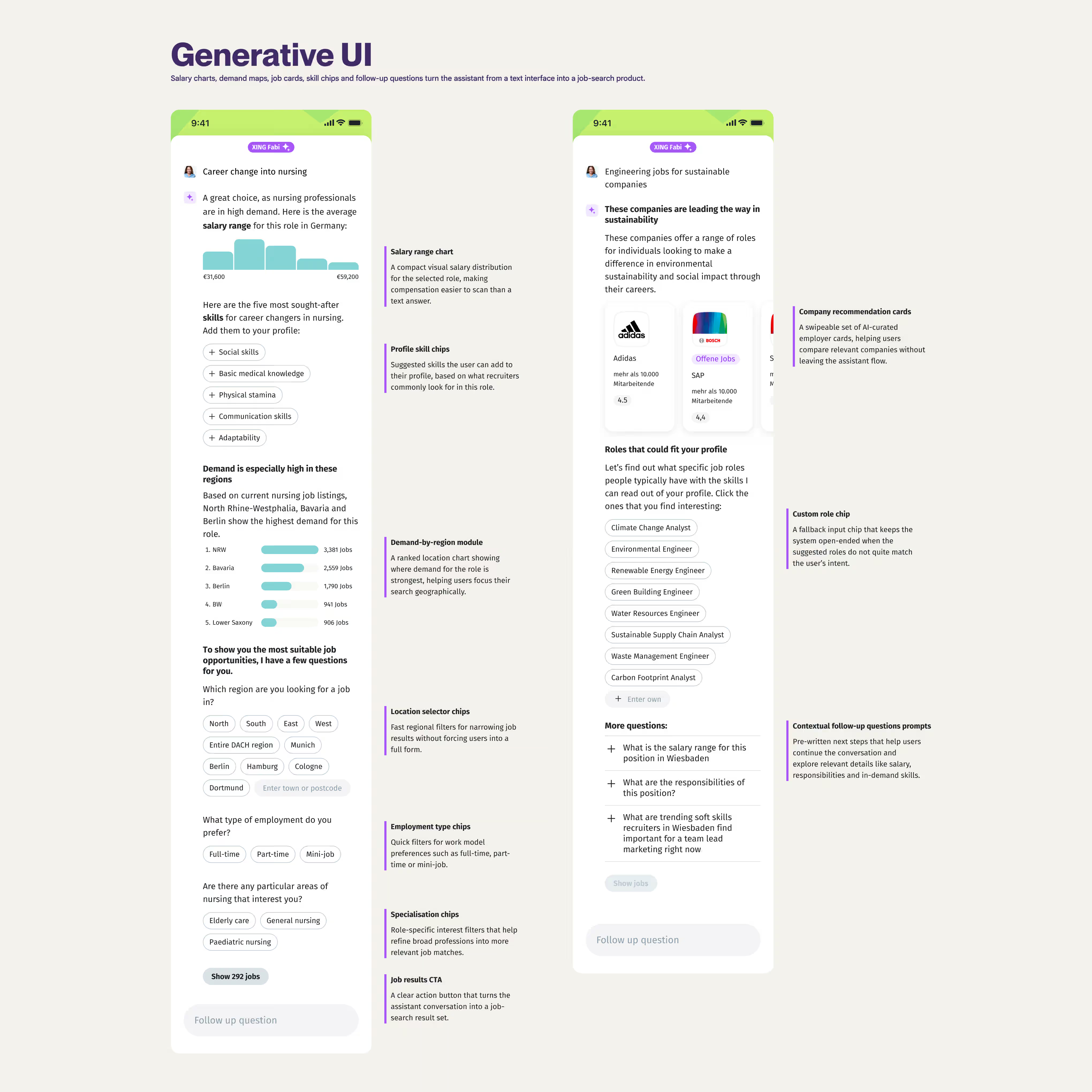
Our first AI job-search assistant, 2024
Inspired by Amazon’s Rufus, we explored guidance at the point of search: turning a job query into context on roles, salaries, demand and skills.
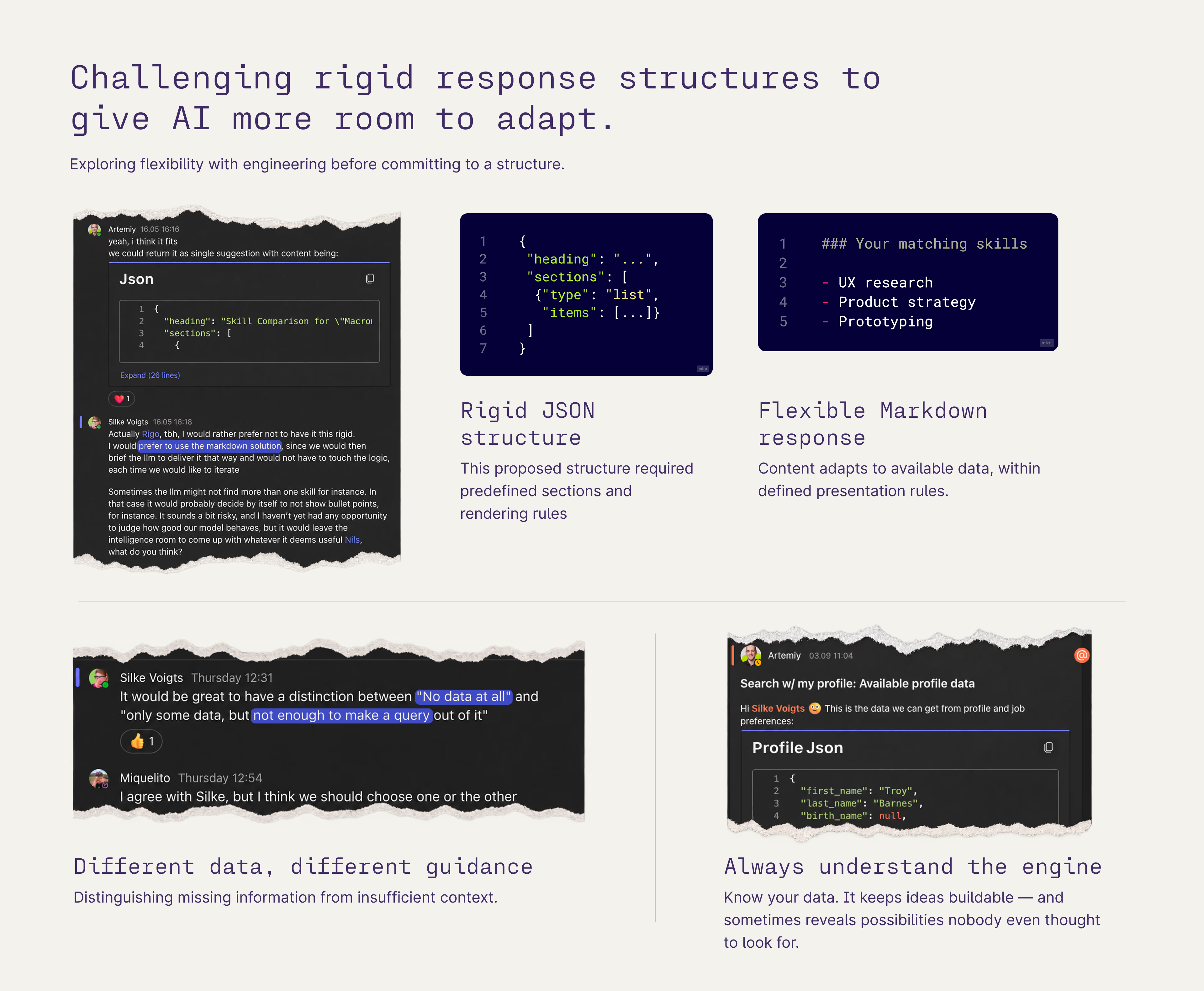
Product experience starts in the backend
I worked hand in hand with data engineering, data science and frontend to challenge rigid response formats, understand available data and define how Fabi should handle uncertainty. Because some of the most important design decisions happen long before anything reaches the screen.
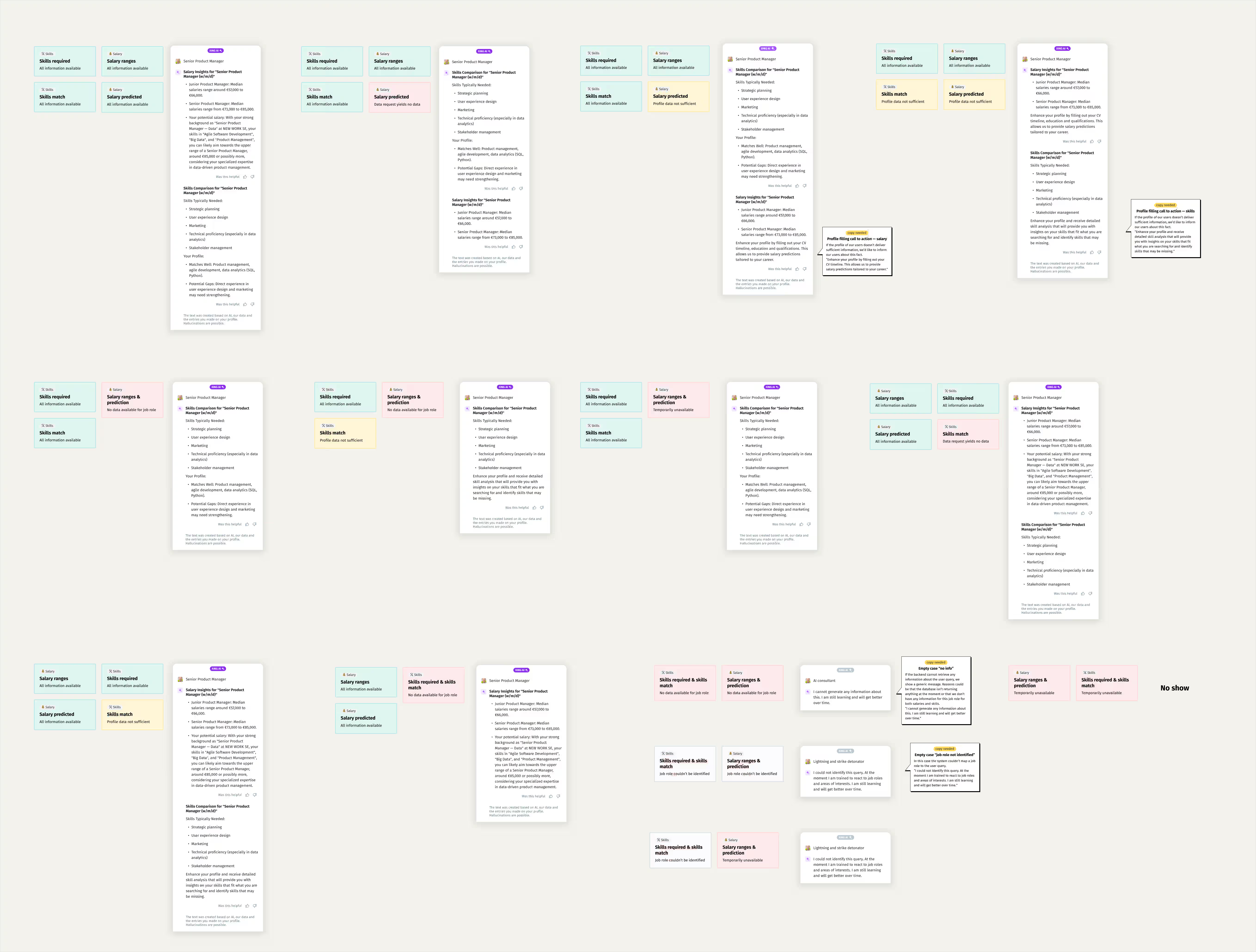
Designing for AI uncertainty
I mapped every combination of available, missing and insufficient data, then defined when Fabi should answer, qualify its response, ask for more context or hold back.
What if the most valuable AI in job search wasn’t for searching at all?
I shifted the idea towards recruiting: an agent prepared with candidate context, able to handle early qualification so recruiters could focus on deeper conversations.
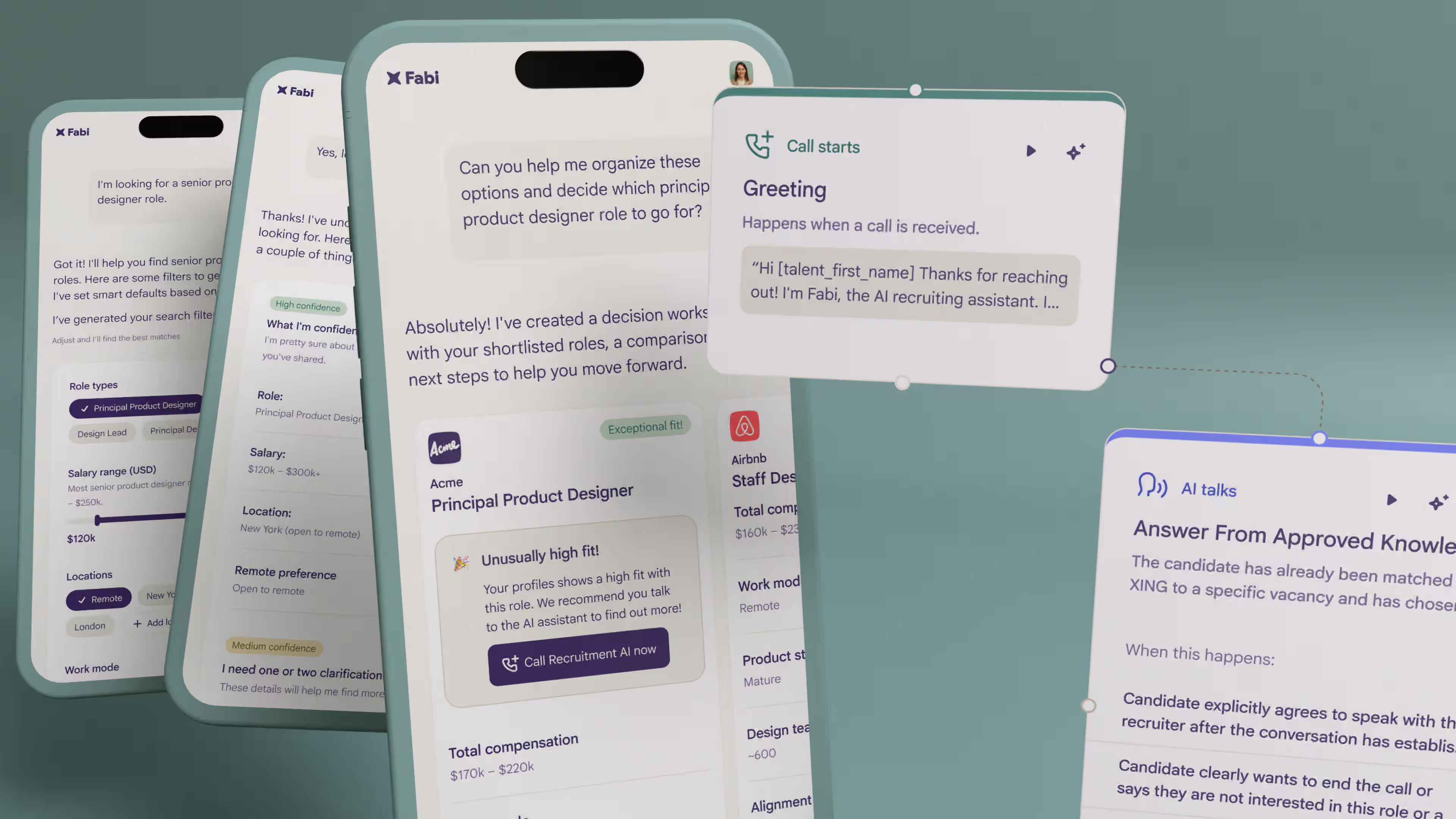
Fabi, reimagined for 2026: From search answers to first conversations.
I revisited the idea independently, this time from the recruiter’s side: a voice agent that could handle early qualification and make more room for deeper human conversations.
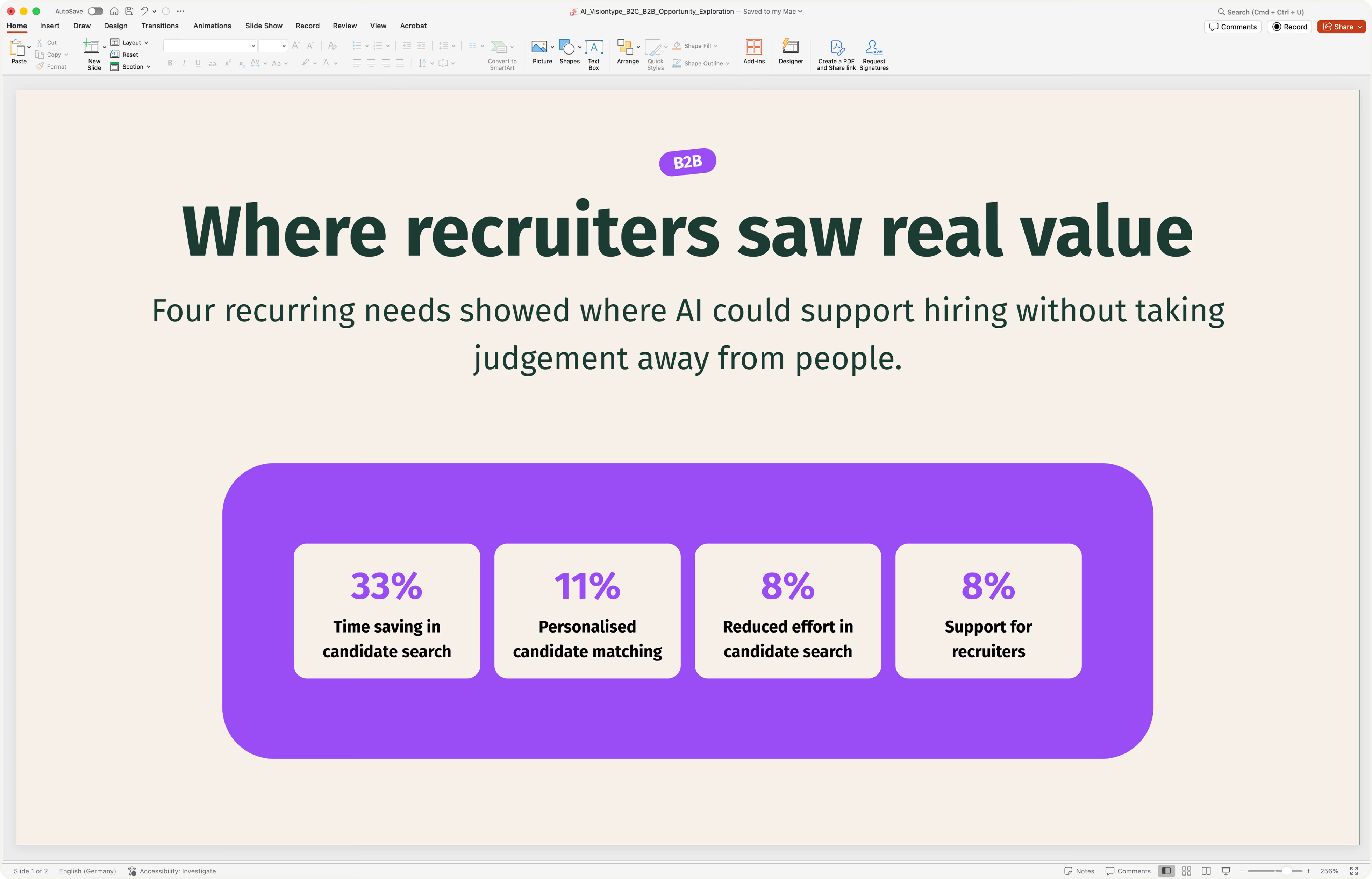
The biggest recruiter problem was time
Recruiter feedback showed that AI’s strongest value was not replacing judgement, but reducing the manual effort around finding, matching and preparing candidates.
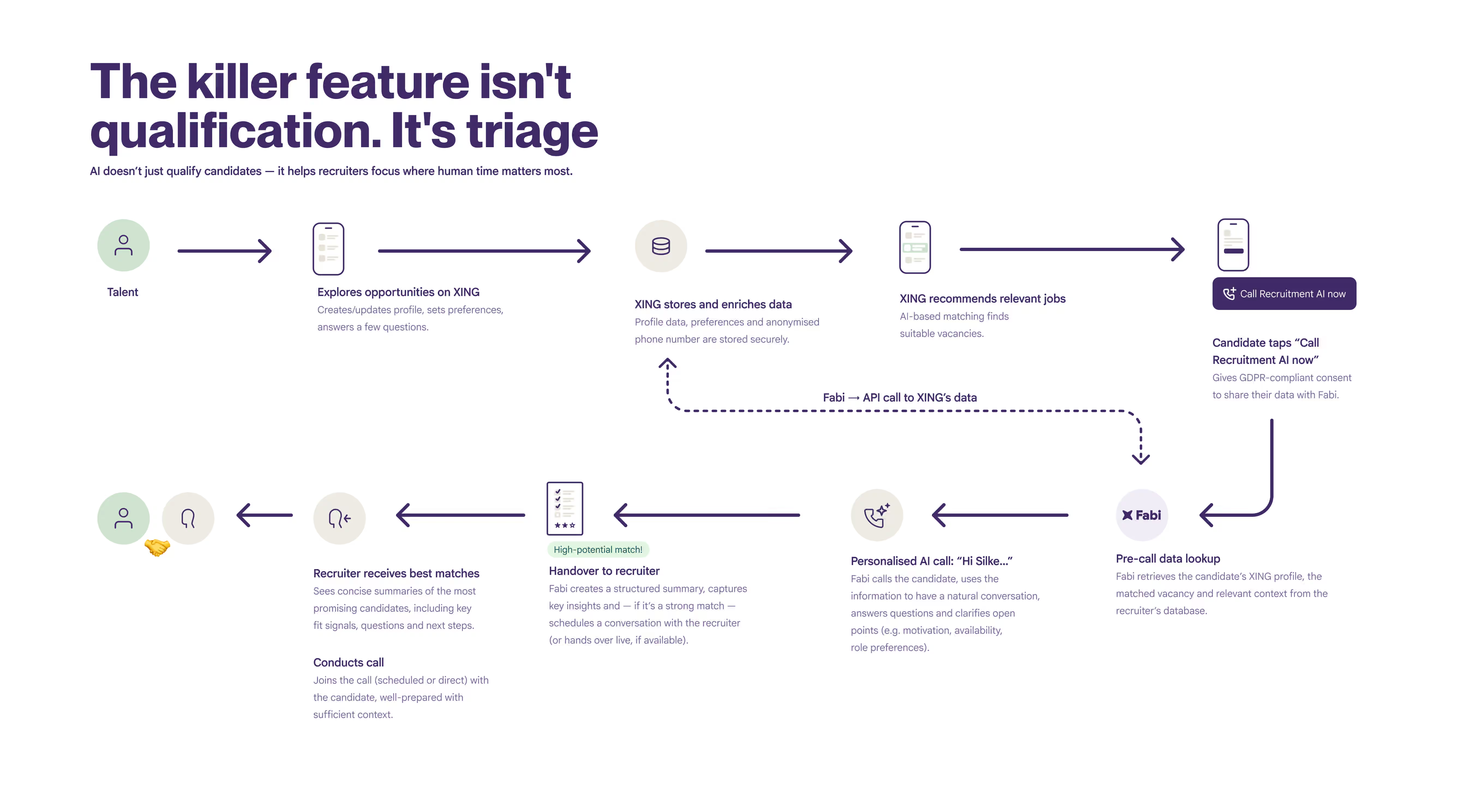
The solution: scale preparation, preserve judgement
Fabi connects search behaviour, profile data and consent into a qualifying pre-call — entering the conversation already prepared with the candidate’s profile, answers and intent, so recruiters receive fewer cold leads and clearer next steps.
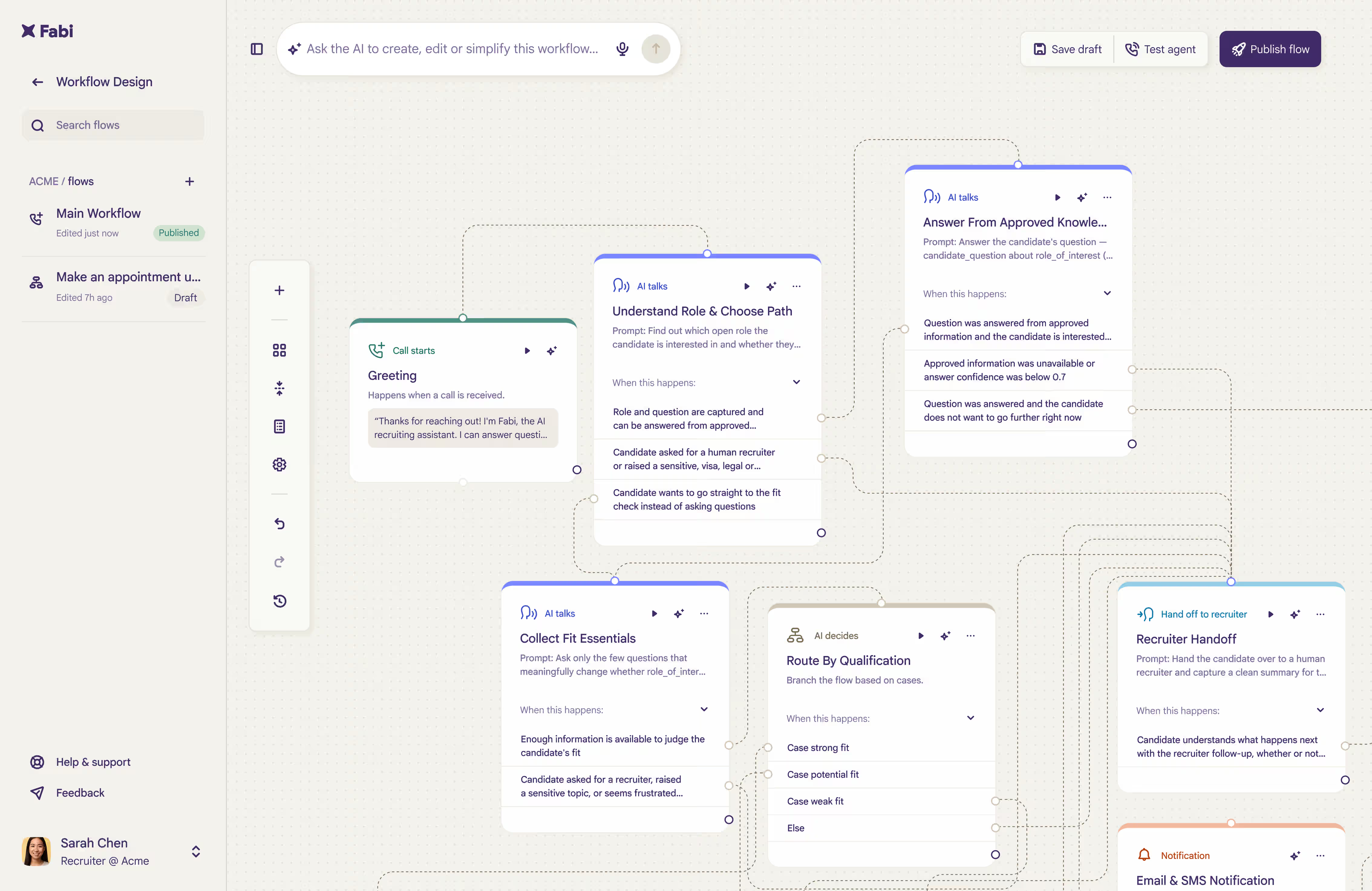
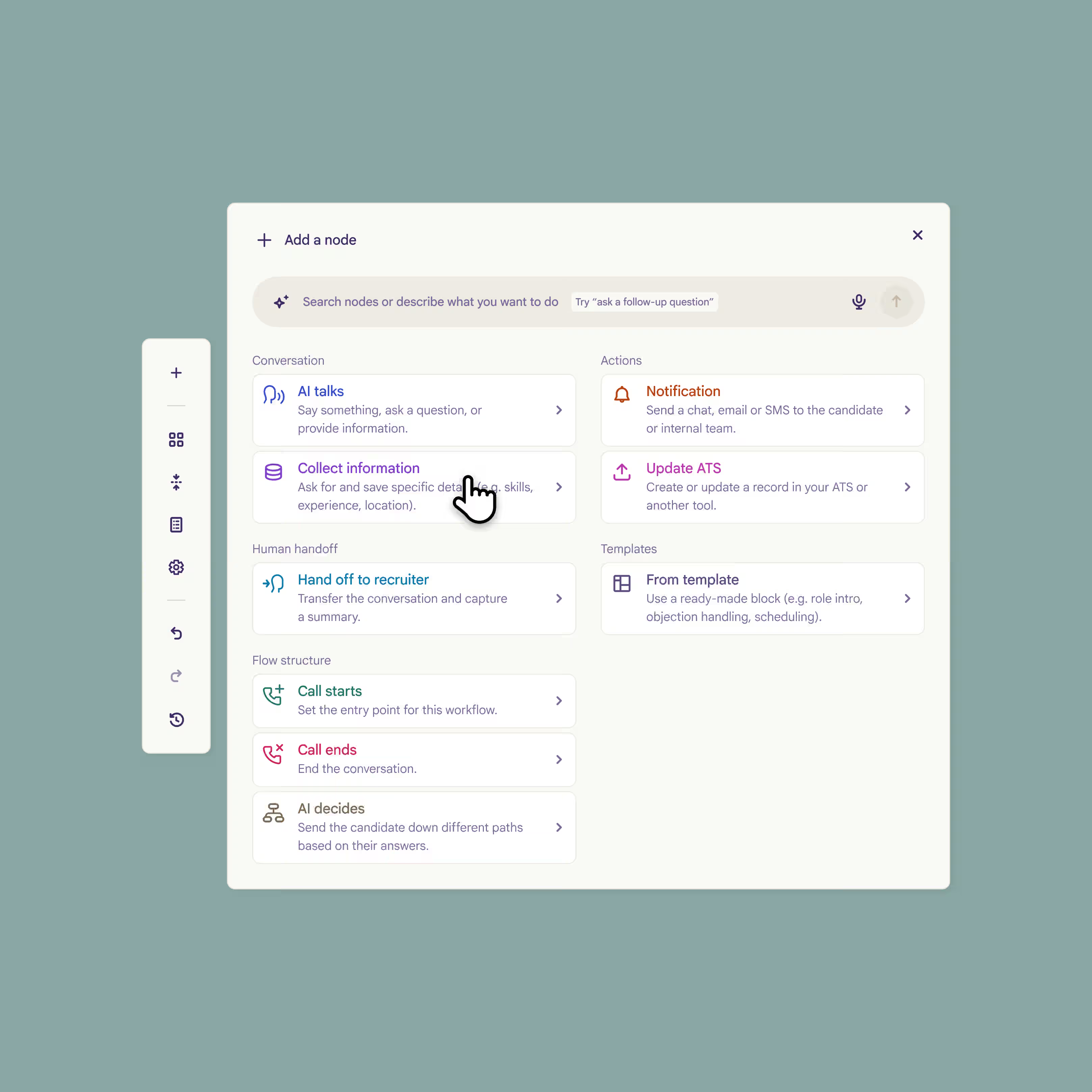
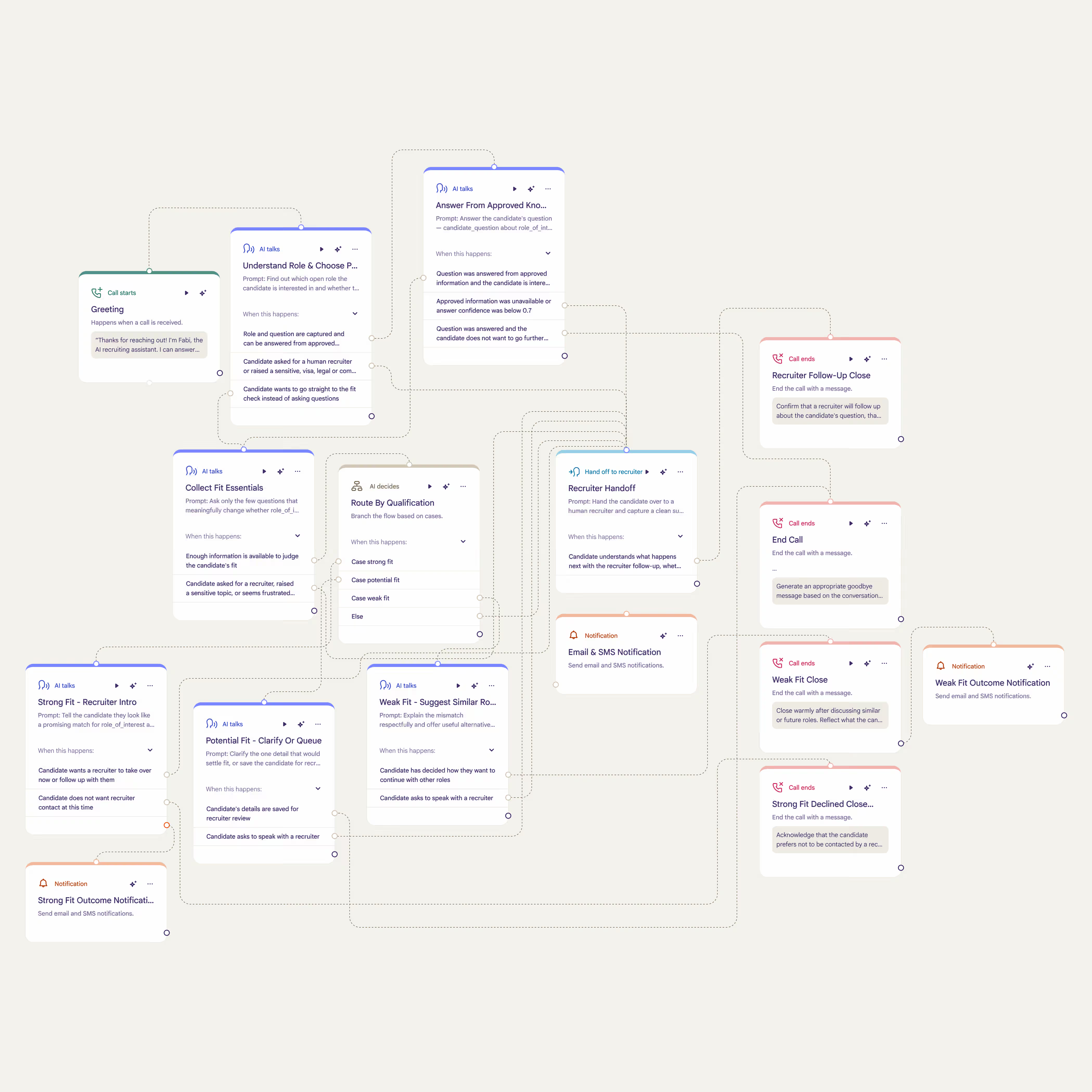
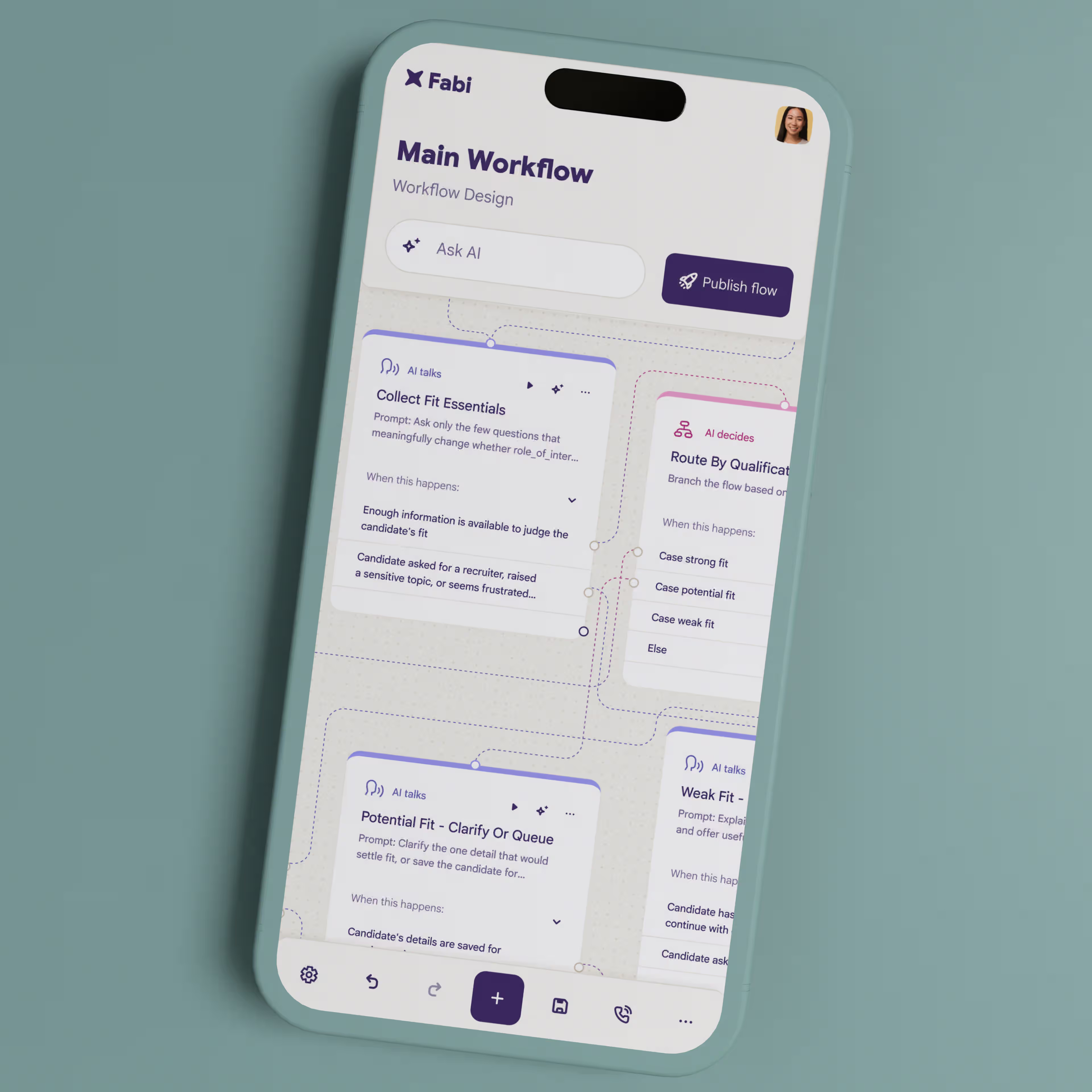
Orchestrate the agent. See every decision.
I designed the workflow editor to put recruiters’ expertise into qualification and handoffs. Coloured nodes, visible routes, plain-language conditions and few but meaningful icons make that logic easier to inspect.
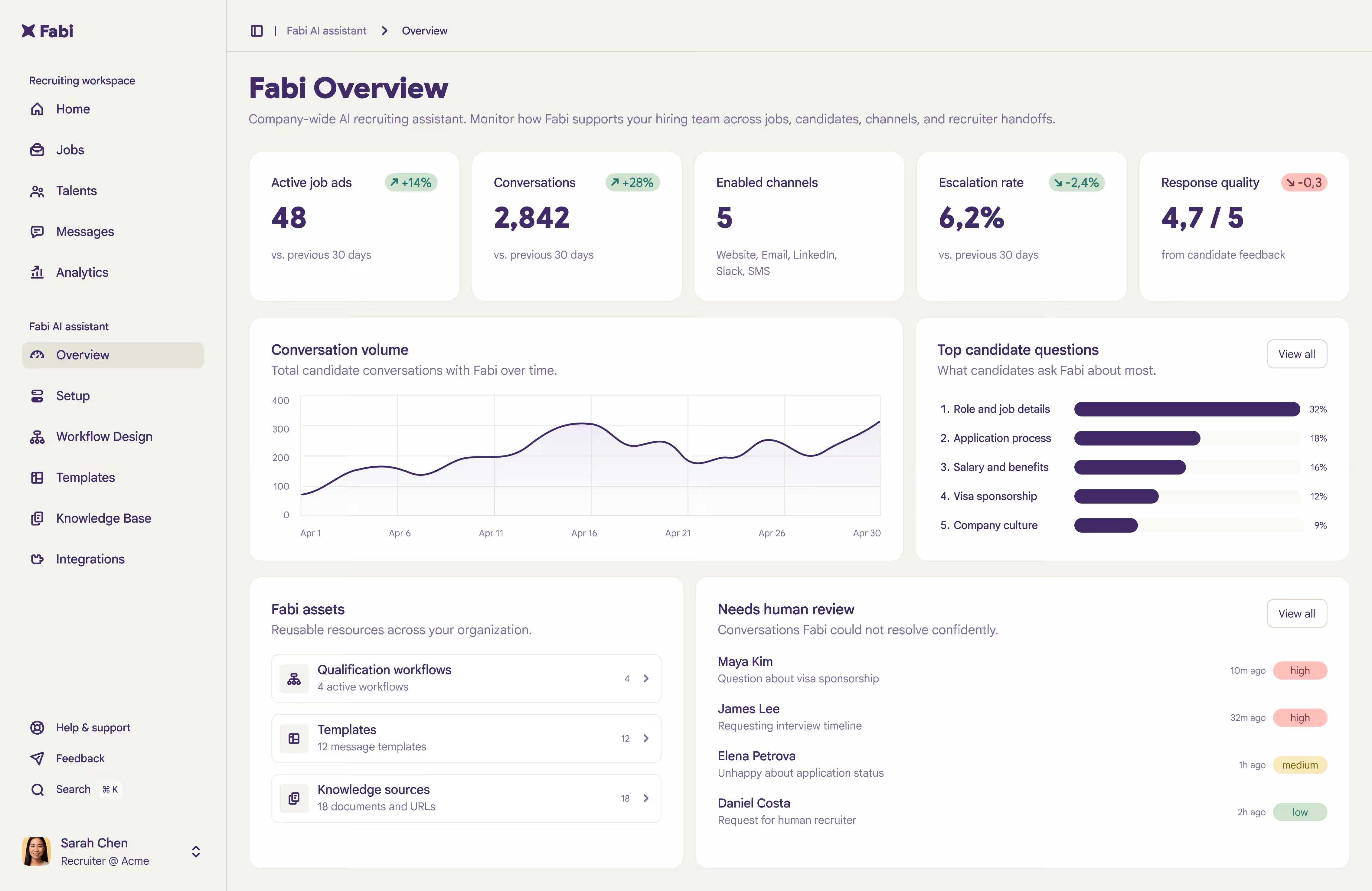
See the whole operation. Human attention where it matters.
I brought conversation trends, candidate questions, promising prospects and cases needing review into focus. Match signals show why someone stands out; restrained colour helps recruiters see where to act.