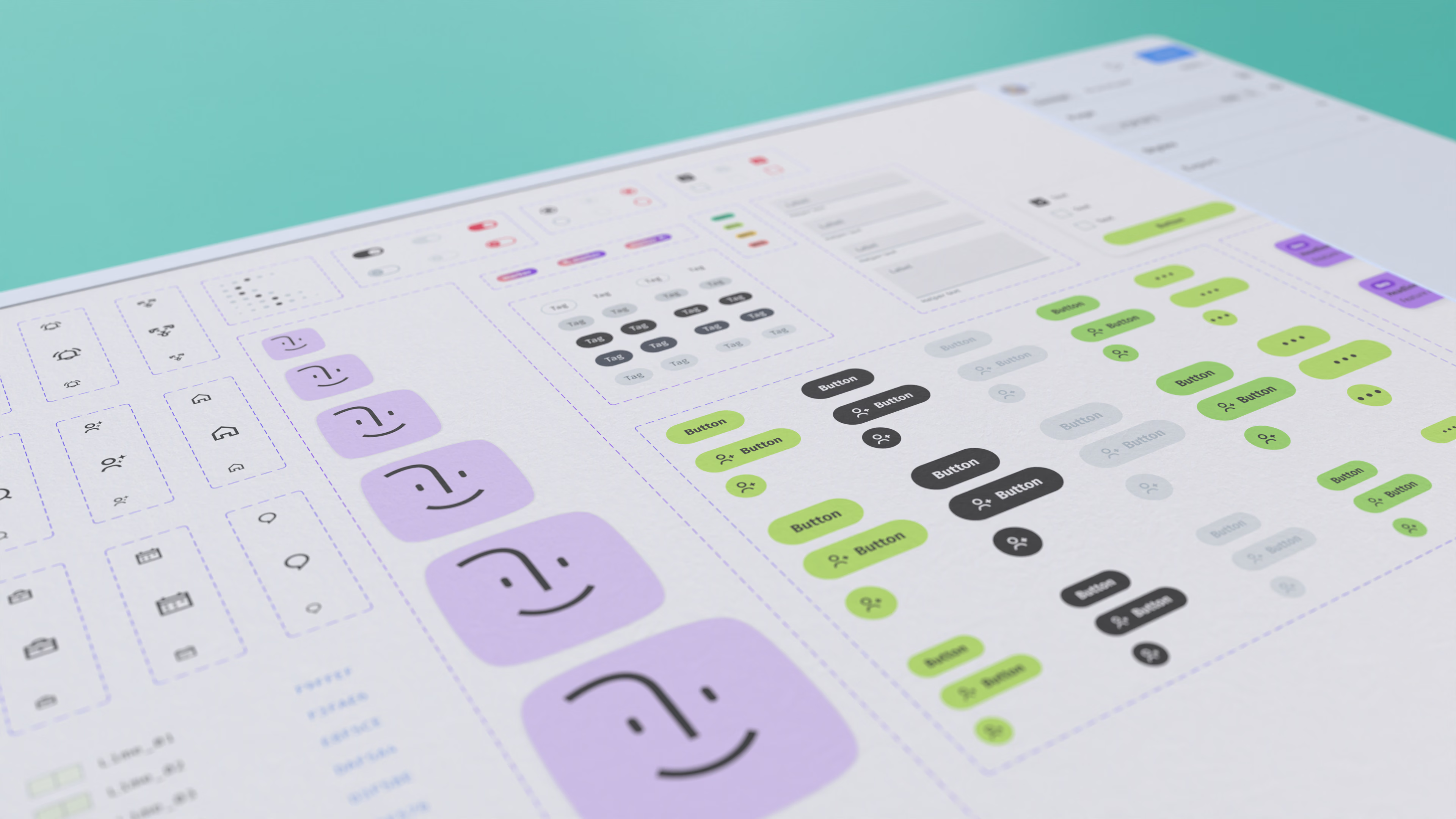
From language to infrastructure
A design language only creates impact when teams can apply it consistently. We translated the new visual direction into reusable components, states, patterns and implementation rules — turning brand and interface principles into daily product infrastructure.
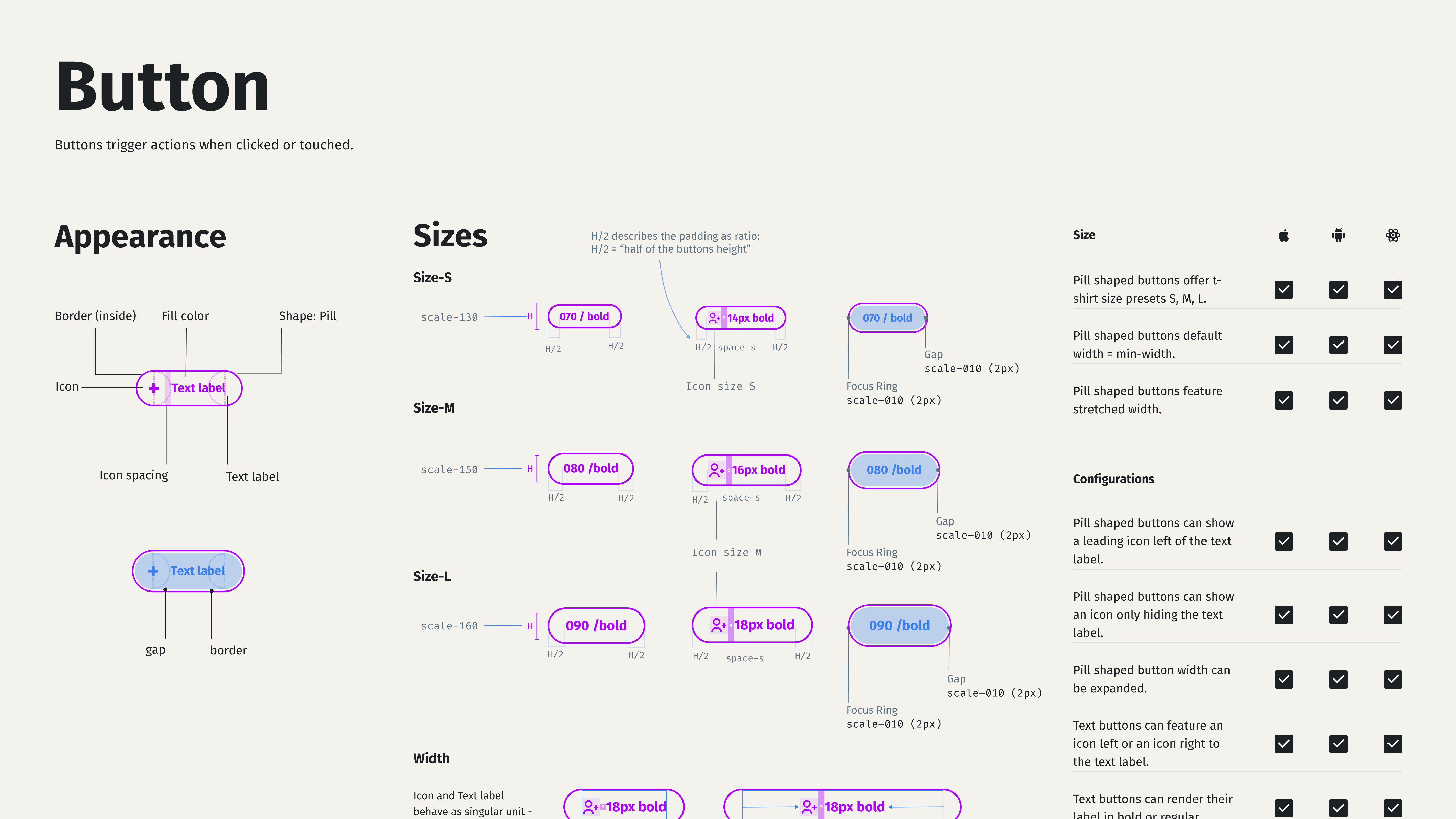
Anatomy before component
Before components became library assets, we defined their structure. For buttons, that meant anatomy, hierarchy, states, optional features and behavioural rules — making clear which decisions belonged inside the component and which should stay flexible for product teams.
Guidance, not just components
We did not only provide components — we provided direction. I initiated a dedicated Frontify guidance platform that explained how designers should use components in ways that supported the design language, while developers received platform-specific documentation for implementation.
Three platforms, one system
The design system unified XING’s product language across web, iOS and Android. Components were translated into React, Swift and Jetpack Compose implementations, supported by platform-specific documentation and exploratory tools for designers and developers. This approach helped the product feel consistent across touchpoints while respecting the realities of each platform — and saved designers significant time by allowing one mobile design to translate across web mobile, iOS and Android.
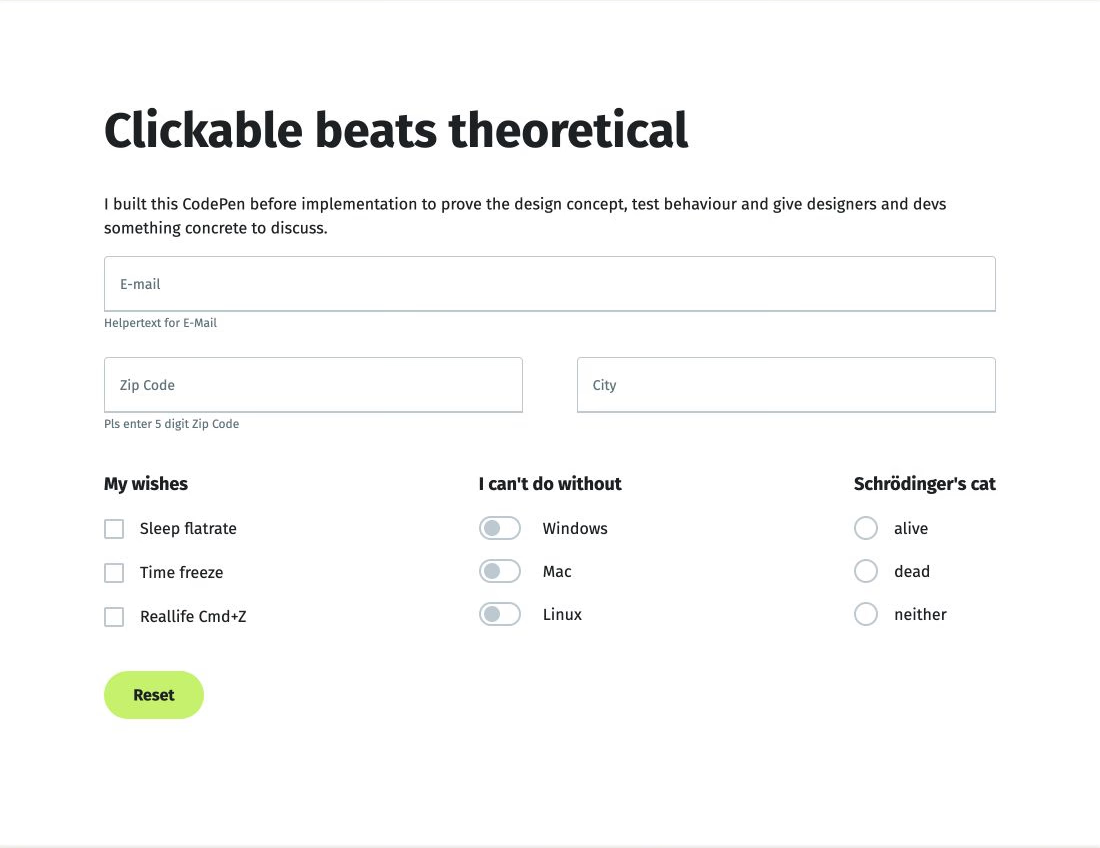
I can’t visualise every interaction perfectly in my head, so I use quick prototypes to think, test and make ideas tangible. Each CodePen helped me understand the component better — and gave designers and developers something concrete to discuss, align on and move into implementation faster.